Tips for SEO Content Writing: How to Create Content That Ranks and Converts

Learning the best tips for SEO content writing is one of the smartest investments you can make for your website. Search engines have become incredibly sophisticated, but their goal remains the same. They want to deliver the most relevant, useful, and trustworthy content to users. That means businesses that consistently publish valuable content are rewarded with stronger visibility, higher rankings, and more qualified traffic.
Many people mistakenly believe SEO is only about keywords. In reality, successful SEO content writing combines technical optimisation with engaging storytelling, thoughtful structure, and a deep understanding of your audience. Google wants to see content that genuinely answers questions, demonstrates expertise, and creates a positive user experience.
Whether you are writing website copy, service pages, blog articles, or landing pages, following proven SEO writing practices helps your content work harder for your business. Instead of chasing quick wins, you create an evergreen resource that continues attracting visitors month after month.
Start by understanding search intent
One of the biggest mistakes people make is writing about what they want to say rather than what their audience wants to know. Before writing a single sentence, spend time understanding why someone searches for your target keyword.
Every search usually falls into one of several categories. Someone might want information, compare options, make a purchase, or find a specific website. Your content should match that intention from the very beginning.
For example, someone searching for tips for SEO content writing is looking for practical advice they can implement immediately. They are not searching for a sales page or an overly technical guide. Recognising this allows you to structure your article around actionable insights that satisfy both readers and search engines.
When your content fulfils search intent better than competing pages, Google is far more likely to reward it with stronger rankings.
Choose keywords strategically instead of chasing volume
Keywords remain essential, but successful SEO today is about relevance rather than repetition. Start with a primary keyword, then identify supporting phrases, related searches, and semantic variations that naturally expand the topic.
Rather than forcing the same phrase into every paragraph, build comprehensive content around the broader subject. Search engines now understand context remarkably well, making it possible to rank for dozens or even hundreds of related searches from a single high-quality article.
Your keyword strategy should include:
• One primary keyword that defines the page.
• Several supporting keywords that naturally fit throughout the content.
• Related questions and long tail phrases that help address different user needs.
This approach creates content that feels natural while signalling topical authority to search engines.
Write for people before search engines
The best SEO copy rarely feels like SEO copy. Readers should never notice keywords being inserted. Instead, they should feel as though they are reading a helpful, engaging article written specifically for them.
Focus on solving problems, answering questions, and providing genuine value. Use a conversational tone that makes complex ideas easier to understand without oversimplifying them.
Imagine explaining the topic to a client during a consultation. That mindset creates content that builds trust while naturally encouraging readers to spend longer on the page. User engagement metrics such as time on page and reduced bounce rates can indirectly support stronger search performance over time.
Create a clear heading structure
Good content is easy to scan. Readers rarely consume every word immediately. Instead, they browse headings to determine whether an article answers their question.
A logical heading hierarchy also helps search engines understand your page.
Use one H1 title followed by organised H2 and H3 headings that guide readers through the topic step by step. Every section should introduce one clear idea before smoothly transitioning into the next.
Well-structured content improves readability, encourages longer visits, and creates opportunities for featured snippets in Google search results.
Prioritise quality over word count
Many people still ask whether longer content automatically ranks better. The answer is no.
A comprehensive article often performs well because it answers more questions, not because it contains more words. A concise 800 word guide can outperform a 3,000 word article if it provides better information.
Instead of writing to reach an arbitrary word count, focus on covering the topic thoroughly. Remove unnecessary repetition, strengthen weak paragraphs, and ensure every section contributes something valuable.
When readers leave your page feeling fully informed, your content has achieved its purpose.
Optimise your introduction carefully
The first few paragraphs influence both readers and search engines. Your introduction should quickly explain what the article covers while naturally introducing your primary keyword.
Avoid lengthy background information before addressing the topic. Readers want reassurance that they have found the right page.
A strong introduction creates momentum, encourages scrolling, and sets expectations for the value that follows.
Make your content easy to read
Excellent SEO content balances depth with clarity. Large walls of text can overwhelm readers, even when the information is valuable.
Break ideas into manageable paragraphs while maintaining a smooth editorial flow. Use subheadings to introduce new concepts and reserve bullet points for moments where lists genuinely improve comprehension.
Simple language often performs better than complicated vocabulary because it improves accessibility for a broader audience.
Remember that readability is not about making content simplistic. It is about making expertise approachable.
Strengthen authority with internal and external links
Search engines evaluate how pages connect within your website. Internal linking helps distribute authority while encouraging visitors to explore related resources.
For example, if you publish an article about SEO copywriting, you could naturally link to guides covering keyword research, website design, content strategy, or technical SEO. This strengthens topical relevance while improving user experience.
External links to credible sources can also reinforce trust when supporting statistics or industry research. Focus on quality rather than quantity.
For businesses investing in long-term digital growth, combining educational blog content with strategic service pages creates a strong SEO foundation that supports sustainable visibility. Visuable follows this integrated approach by combining SEO strategy, copywriting, and website design into one cohesive process that helps businesses create websites built for both people and search engines.
Refresh your content regularly
SEO is never finished. Search trends change, competitors publish new content, and search engines continuously update their algorithms.
Review important pages every few months to ensure statistics remain current, examples stay relevant, and opportunities for improvement are identified.
Updating existing articles is often more effective than constantly publishing new ones because established pages have already built authority with search engines.
Simple improvements such as expanding sections, improving readability, refreshing examples, or answering newly popular questions can produce significant ranking improvements.
Measure success beyond rankings
Ranking first is exciting, but rankings alone do not determine success.
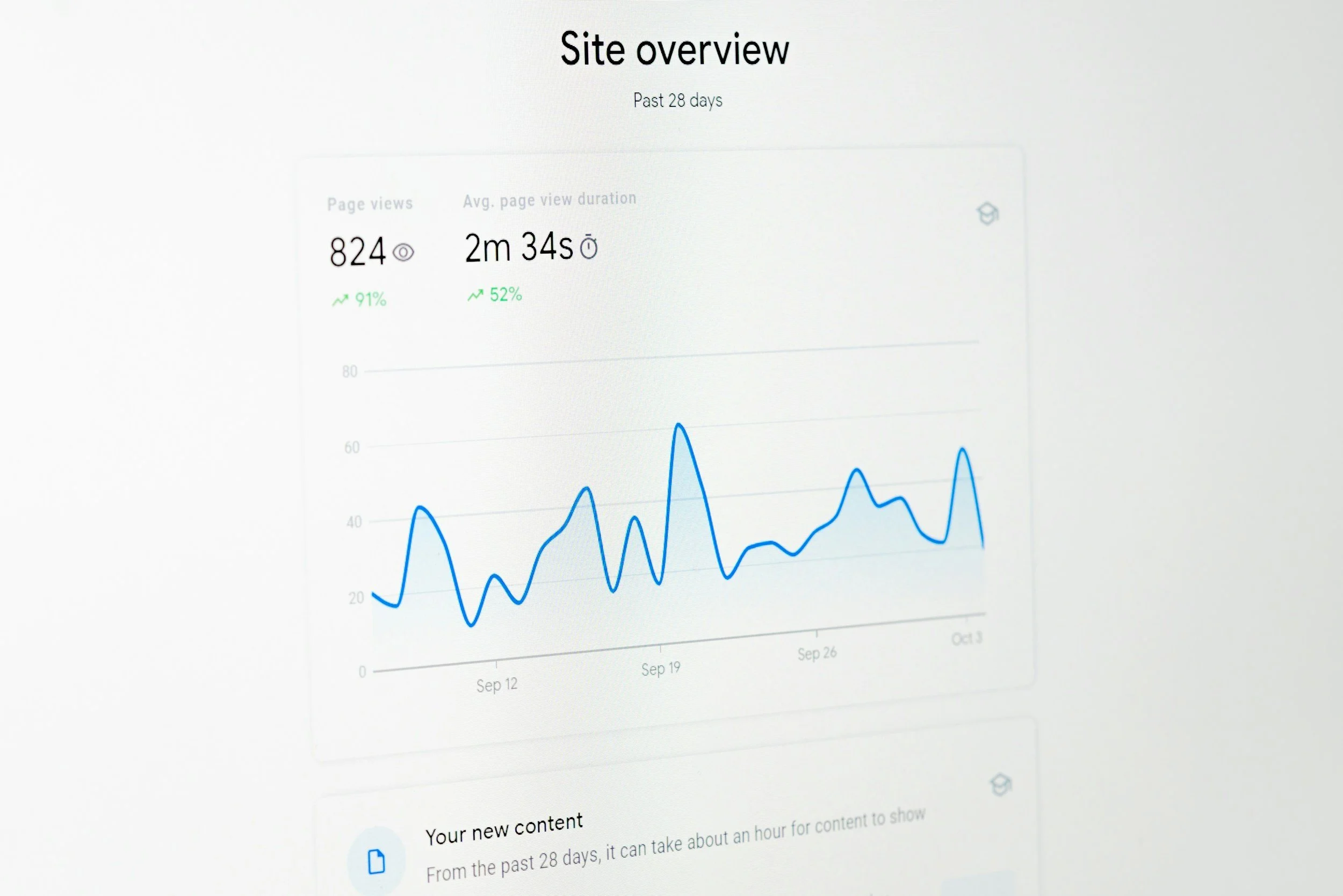
Instead, evaluate whether your content attracts qualified visitors who engage with your website and take meaningful actions. Metrics such as organic traffic, average engagement time, conversions, enquiries, and newsletter subscriptions often provide a much clearer picture of performance.
Effective SEO content supports business goals rather than vanity metrics. Every article should contribute towards educating readers, building trust, and encouraging the next step in the customer journey.
Final thoughts on tips for SEO content writing
The most valuable tips for SEO content writing focus on creating exceptional experiences for your audience rather than trying to manipulate search engines. Strong keyword research, thoughtful structure, engaging writing, and genuine expertise work together to create content that performs well over time.
SEO success rarely happens overnight. It grows through consistency, strategic planning, and a commitment to publishing content that genuinely helps people. When every article is written with both readers and search engines in mind, your website becomes a valuable resource that continues generating visibility, trust, and enquiries long into the future.
Ready to turn your content into a growth strategy?
Writing SEO content that ranks consistently takes more than adding keywords to a page. It requires a clear strategy, audience research, compelling copy, and technical optimisation working together. When every piece of content has a purpose, your website becomes a powerful tool for attracting the right audience and turning visitors into loyal customers.
At Visuable, we combine SEO strategy, copywriting, and beautiful website design to create content that performs today while supporting your long-term growth. Whether you're launching a new website or looking to improve your existing content, we're here to help you build a stronger online presence with confidence.
FAQs
-
Focus on understanding search intent, researching relevant keywords, writing valuable content, using a logical heading structure, and keeping your writing clear and engaging. These fundamentals create content that performs well for both readers and search engines.
-
Use your primary keyword naturally throughout the article, including the title, introduction, one or more headings, body content, and conclusion. Avoid forcing keywords into sentences, as readability should always come first.
-
Not necessarily. Comprehensive content often performs well because it answers more questions, but quality is always more important than word count. Your content should be as long as necessary to fully satisfy the reader.
-
AI can help generate ideas, outlines, and first drafts, but successful SEO content still benefits from human editing, strategic thinking, and genuine expertise. Combining AI with professional copywriting usually produces the strongest results.
-
Search intent helps you understand what users actually want when they type a query into Google. Creating content that directly answers that need significantly improves your chances of ranking well and keeping visitors engaged.
-
Results vary depending on competition, domain authority, and content quality. Many websites begin seeing improvements within three to six months, while more competitive industries may require a longer, consistent SEO strategy.
Related Blogs